
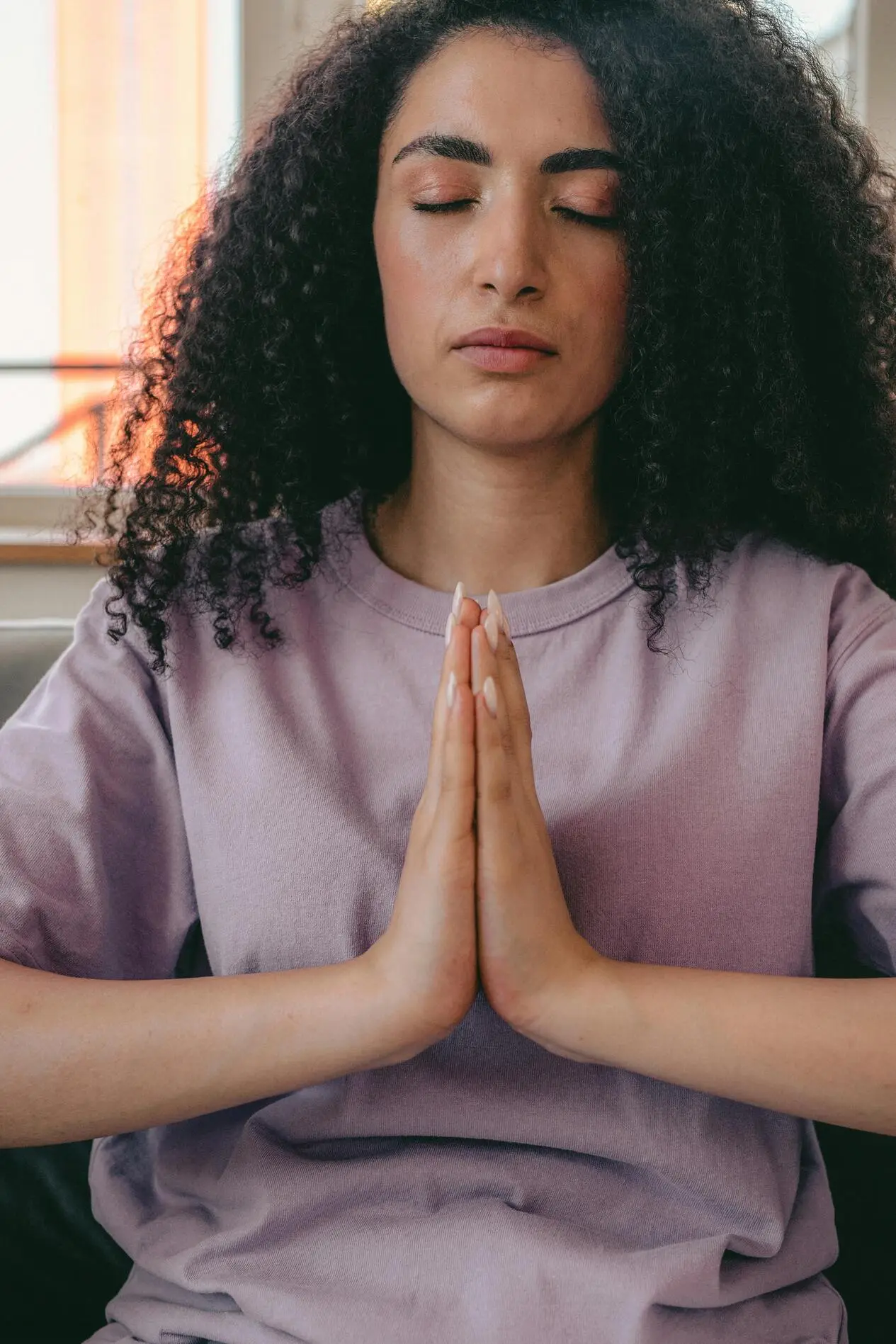
7 Effective Breathwork Techniques for Embracing Joy
Table of Contents
You probably don’t remember the last time you truly paused. Not the kind of pause where you scroll your phone a little slower—but the kind where your breath deepens, your shoulders soften, and your thoughts stop racing ahead of you. Modern life rewards speed and productivity, yet your body keeps asking for something quieter. This is where wellness, meditation & breathwork come together—not as trends, but as tools you can actually use.
These practices don’t require you to disappear into the mountains or overhaul your life. They meet you where you are. When practiced consistently, they help you regulate stress, sharpen focus, and reconnect with yourself in a way that feels grounded and sustainable.
What Wellness Really Means (Beyond Fitness and Diet)
Wellness is often reduced to workouts or clean eating, but real wellness runs deeper. It’s about how your nervous system responds to pressure, how well you recover from stress, and how connected you feel to your body and mind.
True wellness includes:
- Physical health and mobility
- Mental clarity and focus
- Emotional balance
- Nervous system regulation
When one area is ignored, the others feel it. That’s why wellness works best when meditation and breathwork are part of the picture—not as extras, but as foundations.
Meditation: Training Your Mind to Slow Down
Meditation isn’t about stopping your thoughts or achieving constant calm. It’s about learning to notice what’s happening without getting pulled into it. When you meditate regularly, you build awareness—and awareness gives you choice.
What Meditation Actually Is
Meditation helps you:
- Observe your thoughts instead of reacting to them
- Stay present instead of constantly anticipating what’s next
- Build mental resilience during stressful moments
You don’t need hours of silence. Even short, consistent sessions can change how you relate to your day.
Common Meditation Styles That Support Wellness
Different styles serve different needs:
- Mindfulness meditation – noticing breath, sensations, and thoughts
- Guided meditation – using verbal cues for relaxation or focus
- Body scan meditation – reconnecting with physical sensations
- Loving-kindness meditation – cultivating emotional balance
Each approach supports wellness by strengthening your ability to stay present under pressure.
Breathwork: The Fastest Way to Regulate Stress
If meditation trains awareness, breathwork changes your state. Your breath is directly linked to your nervous system. When it’s shallow and fast, your body stays alert. When it’s slow and deep, your system begins to settle.
What Is Breathwork?
Breathwork is the practice of breathing intentionally to influence how your body and mind respond. You’re already breathing—breathwork simply teaches you how to use it more effectively.
Popular Breathwork Techniques for Everyday Wellness
These techniques are commonly used in wellness and meditation settings:
- Box breathing – steady rhythm to calm the nervous system
- Diaphragmatic breathing – deeper breaths that improve oxygen flow
- Alternate nostril breathing – balancing focus and energy
- Slow nasal breathing – reducing stress and improving sleep
Many people notice immediate changes: calmer thoughts, slower heart rate, and a clearer head.
How Wellness, Meditation & Breathwork Work Together
These practices are most effective when combined. Each supports a different layer of your system.
- Breathwork signals safety to your nervous system
- Meditation builds awareness and emotional regulation
- Wellness habits help you sustain balance throughout your day
Together, they create a feedback loop that supports long-term well-being instead of short-term relief.
Daily Wellness Practices You Can Actually Maintain
You don’t need a complicated routine. What matters is consistency.
Simple Daily Practices
- 3–5 minutes of conscious breathing in the morning
- Short meditation breaks during the day
- A calming breathwork session before sleep
How to Build a Sustainable Routine
- Keep sessions short and realistic
- Attach practices to existing habits
- Focus on how you feel, not perfection
Wellness grows through repetition, not intensity.
Wellness, Meditation & Breathwork in Retreat Settings
While daily practice builds consistency, retreats offer depth. In wellness retreats, meditation and breathwork are practiced in structured, supportive environments that remove daily distractions.
Why Retreats Accelerate Results
- Dedicated time away from routines
- Guided instruction from experienced teachers
- Group energy that supports focus and commitment
What You Experience at a Wellness Retreat
- Daily meditation sessions
- Structured breathwork practices
- Supportive nutrition and rest
- Space for reflection and integration
For many people, retreats create breakthroughs that are hard to reach alone.
Science-Backed Benefits of Wellness, Meditation & Breathwork
Research continues to support what practitioners have known for years.
Evidence-Based Benefits
| Practice | Mental Benefits | Physical Benefits |
|---|---|---|
| Meditation | Improved focus, emotional balance | Lower stress markers |
| Breathwork | Reduced anxiety | Better sleep quality |
| Wellness routines | Mental resilience | Improved recovery |
These benefits aren’t abstract—they show up in how you work, rest, and relate to others.
Common Mistakes That Hold People Back
Many people give up too soon because of unrealistic expectations.
Common mistakes include:
- Expecting instant calm
- Overcomplicating techniques
- Practicing inconsistently
- Comparing your experience to others
Progress in wellness is subtle but cumulative.
Who Benefits Most from Wellness, Meditation & Breathwork?
These practices support almost everyone, but they’re especially valuable if you:
- Feel mentally overloaded
- Struggle with sleep or focus
- Experience chronic stress or burnout
- Want better emotional regulation
You don’t need prior experience. These tools adapt to you.
FAQ: Wellness, Meditation & Breathwork
How do wellness, meditation & breathwork work together?
They support different systems—breathwork calms the body, meditation steadies the mind, and wellness habits sustain balance.
How long should you practice meditation or breathwork daily?
Even 5–10 minutes a day can make a meaningful difference.
Is breathwork safe for beginners?
Yes, especially gentle techniques focused on slow, controlled breathing.
Can wellness practices replace therapy or medical care?
They support overall well-being but should complement—not replace—professional care when needed.
Conclusion: Wellness Starts With Awareness
Wellness, meditation & breathwork don’t ask you to become someone new. They help you listen to what your body has been telling you all along. When you slow your breath and steady your attention, clarity follows naturally.
Your Next Step
If you’re ready to feel more grounded, start small. Choose one breathwork technique or short meditation and practice it daily. Or explore a guided wellness retreat to deepen your experience. Either way, the work begins with a single pause.