
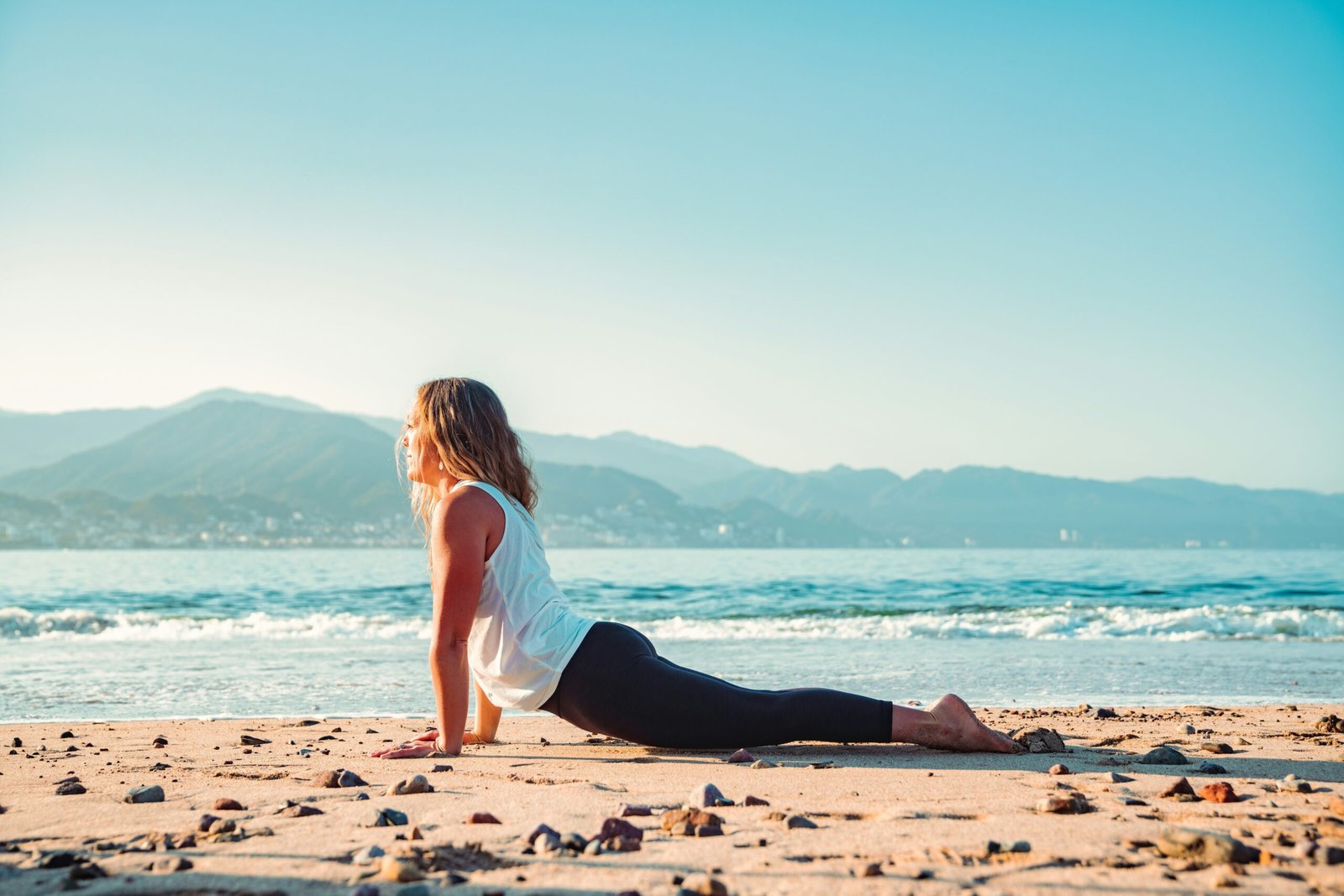
Yoga for Surfers: 8 Poses for Balance & Strength
Why Every Surfer Should Roll Out a Yoga Mat
Yoga for Surfers
Table of Contents
Yoga for Surfers asks a lot of your body: explosive pop-ups, sustained paddling, and split-second balance corrections on a board that never stops moving. Yoga trains exactly those qualities — mobility, core control, and calm focus under pressure — which is why so many surfers now treat their mat time as seriously as their water time.
The good news is that you don’t need years of practice to feel the difference. A short, consistent routine focused on the right poses can noticeably improve your paddling endurance, your pop-up speed, and how quickly you recover between sessions.
8 Yoga Poses That Translate Directly to Surfing
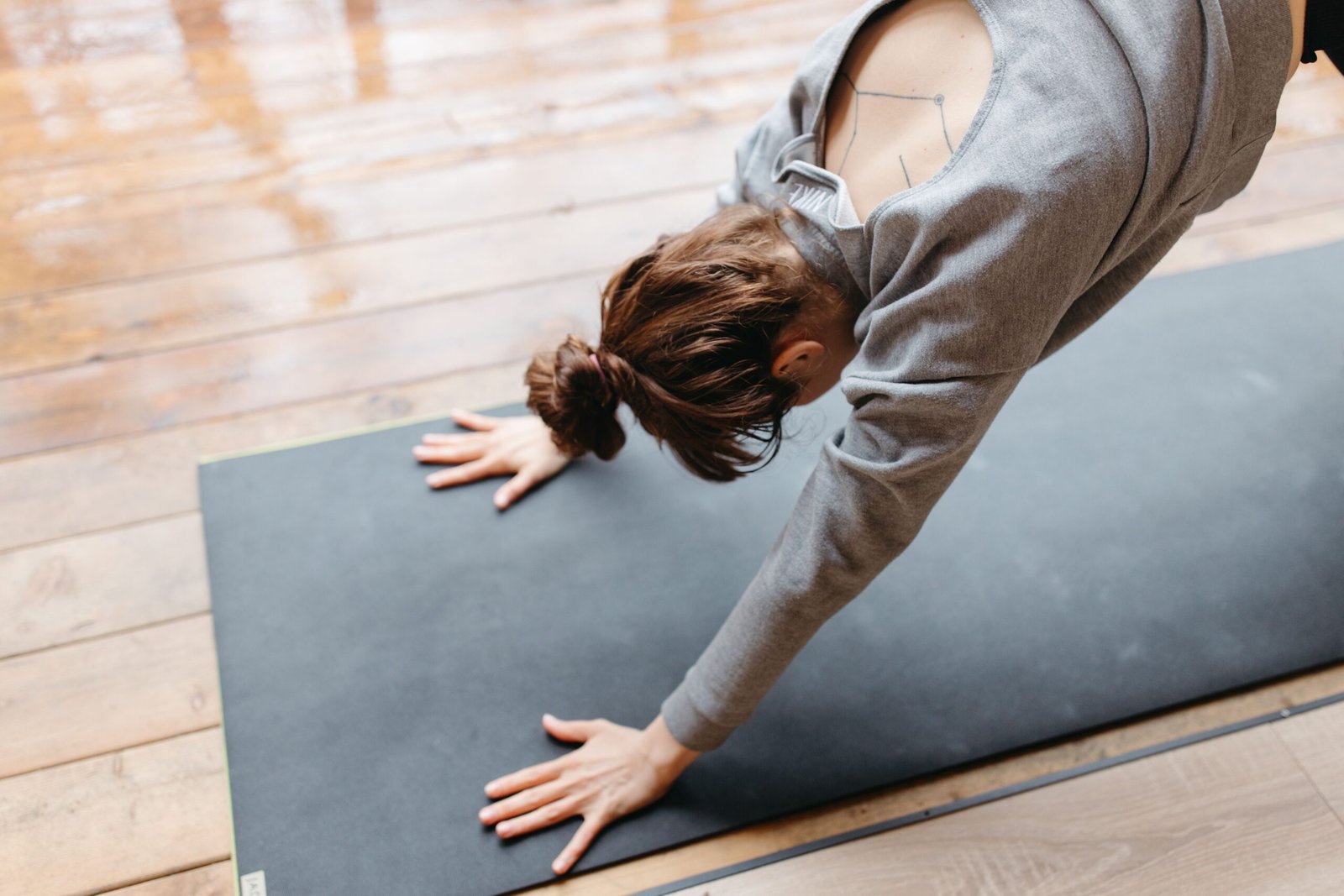
1. Downward-Facing Dog
A foundational stretch that opens the shoulders, hamstrings, and calves while building the upper-body strength you rely on for paddling. Hold for 5-8 breaths, pedaling the heels to deepen the calf stretch.
2. Plank Pose
Plank builds the core and shoulder stability behind a fast, clean pop-up. Practicing it regularly trains your body to go from lying down to standing in one fluid motion, just like catching a wave.
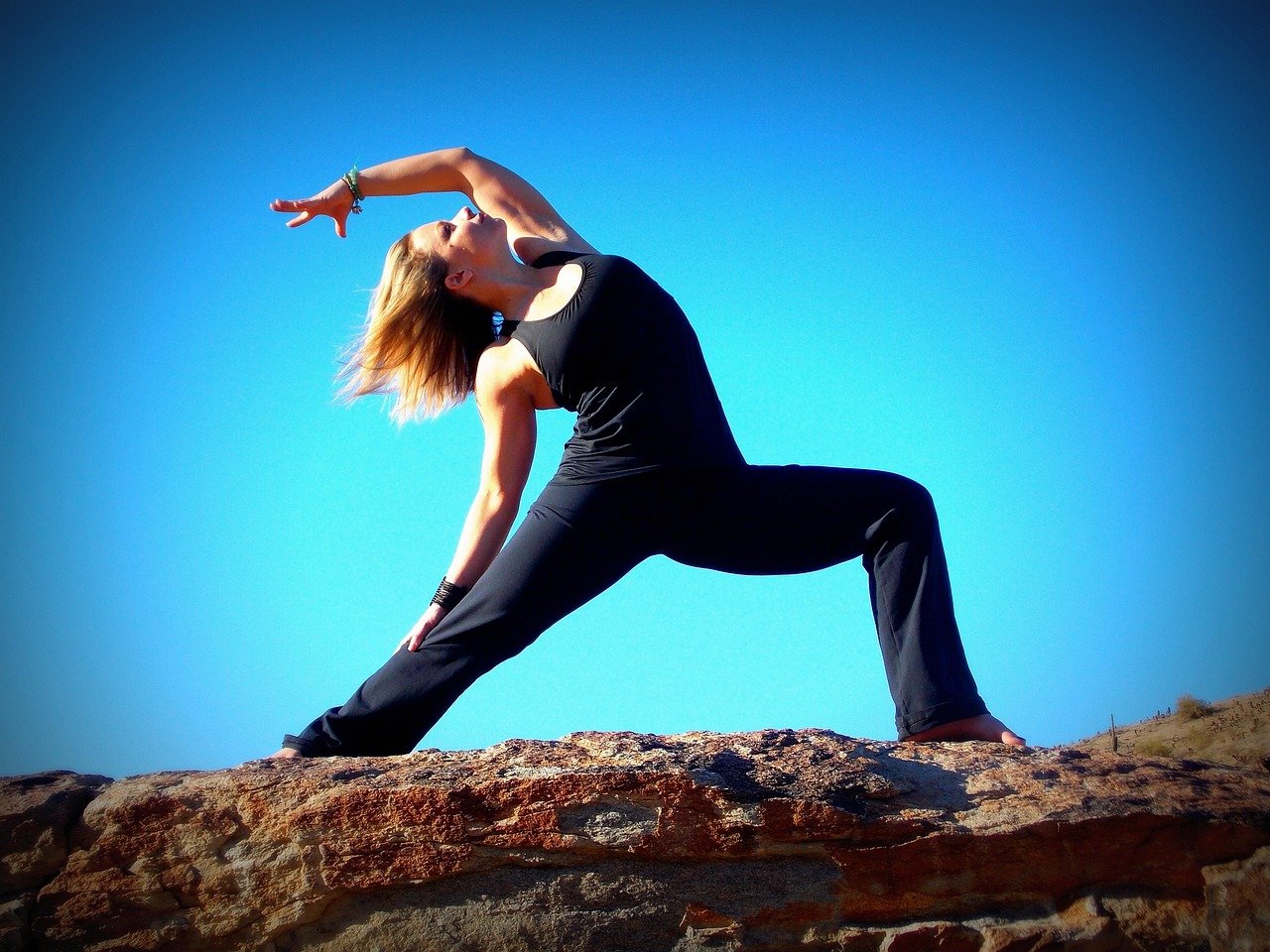
3. Warrior II
This pose mirrors your surf stance almost exactly, strengthening the legs and opening the hips so you can sink lower and turn more powerfully on the board.
4. Boat Pose
Few poses hit the deep core muscles like Boat Pose. That core endurance is what keeps you stable when a wave knocks you off balance mid-ride.
5. Pigeon Pose
Tight hips are one of the most common limits on paddling and pop-up mechanics. Pigeon Pose releases the hip flexors and glutes, restoring the range of motion surfing demands.
6. Cat-Cow Flow
A gentle spinal warm-up that’s ideal before a dawn patrol session, loosening the back after a night’s sleep and preparing it for extended paddling.
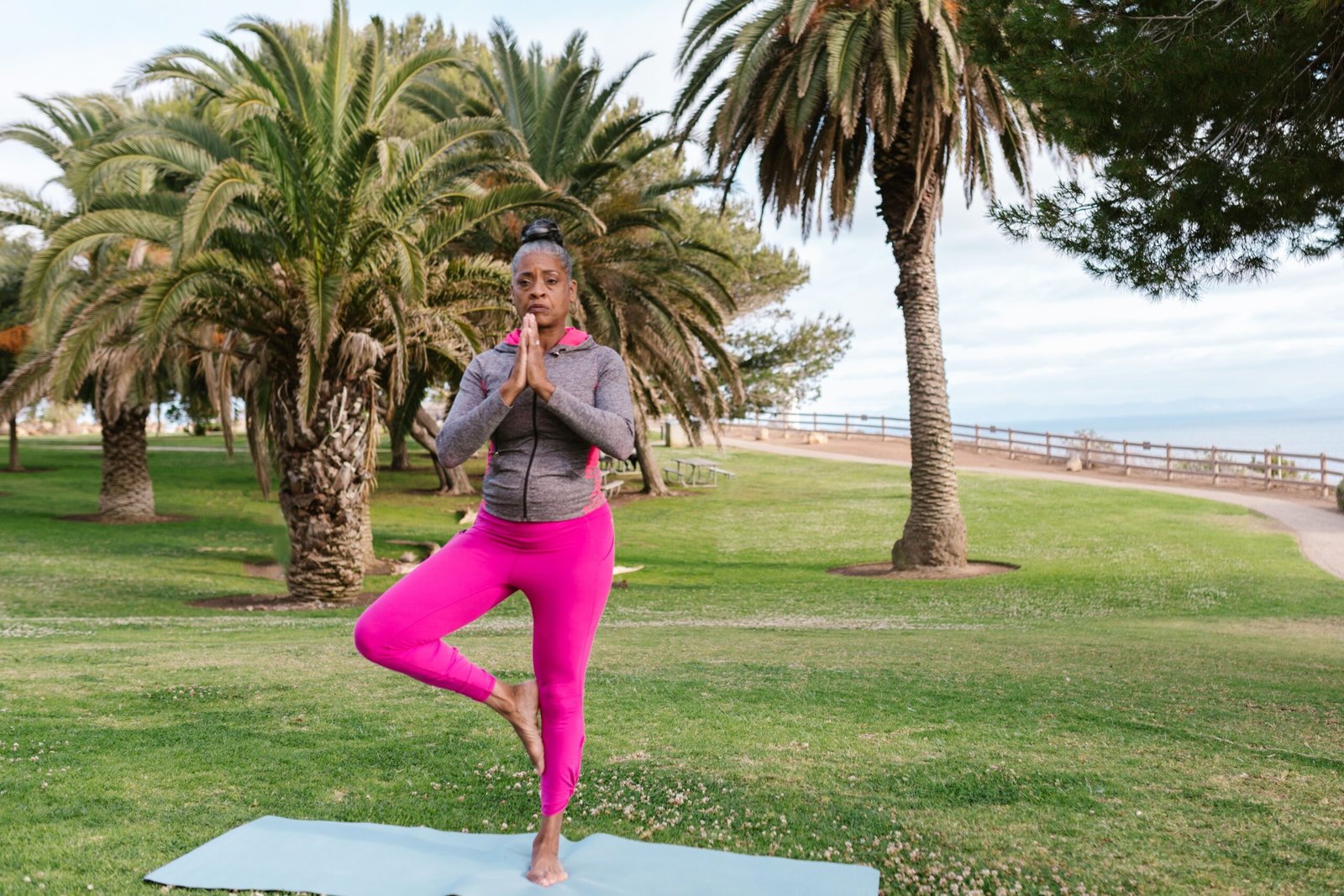
7. Tree Pose
Balance on land builds balance in the water. Tree Pose trains the small stabilizer muscles in the ankles and feet that keep you locked onto your board.
8. Sun Salutations (Surya Namaskar)
A full-body flow that ties everything together — strength, flexibility, and breath — making it the perfect five-minute warm-up before you even touch the water.
A Simple 15-Minute Morning Routine
Move through 3-5 rounds of Sun Salutations to warm up, then hold Downward Dog, Plank, Warrior II (each side), Boat Pose, and Pigeon Pose (each side) for 5-8 breaths apiece. Finish with a minute of Tree Pose on each leg to sharpen your balance before you paddle out.
If you already practice breathwork techniques, pairing a few rounds of controlled breathing with this sequence will calm your nervous system and sharpen your focus before a session.
Why Yoga and Surfing Work So Well Together
Both disciplines reward patience, body awareness, and reading subtle shifts — in your breath, or in the swell. Surfers who train consistently with yoga tend to report fewer overuse injuries, faster recovery between sessions, and a stance that holds up better as sessions get longer. If you want to go deeper into the physical side of surfing itself, our guide to surf lessons and coaching tips pairs well with this routine.
For those who want to combine both practices in one trip, our luxury yoga retreats guide and our piece on building a mindful yoga lifestyle are great next reads.
If you’re new to yoga generally, Yoga Journal’s pose library is a solid reference for proper alignment, and the National Center for Complementary and Integrative Health has a helpful overview of the research on yoga’s physical benefits.
Getting Started
You don’t need a studio or fancy gear — just a mat, ten to fifteen minutes, and consistency. Start with two or three sessions a week alongside your regular surf schedule, and adjust the routine as your body tells you what it needs most.
Frequently Asked Questions
Do I need to be flexible to start doing yoga as a surfer?
No. Flexibility is a result of consistent practice, not a requirement to begin. Most surfers start tight in the hips and shoulders and gradually open up over a few weeks of regular sessions.
How soon before or after surfing should I do this routine?
A short version works well as a pre-surf warm-up to loosen the hips, shoulders, and spine. The full 15-minute routine is also effective post-surf, when muscles are already warm and more receptive to stretching.
Which pose helps the most with pop-up speed?
Plank Pose has the most direct carryover, since it trains the same core and shoulder engagement your body uses to move from lying down to standing in one motion.
Can these poses help with surf-related injuries?
Regular practice can reduce the tightness and imbalances that often lead to overuse injuries in the shoulders, lower back, and hips. That said, if you’re recovering from an existing injury, it’s worth checking with a physical therapist before starting a new routine.
How many days a week should surfers practice yoga?
Two to three sessions a week is enough to notice a difference in mobility and balance, especially when paired with your regular surf schedule rather than replacing it.