
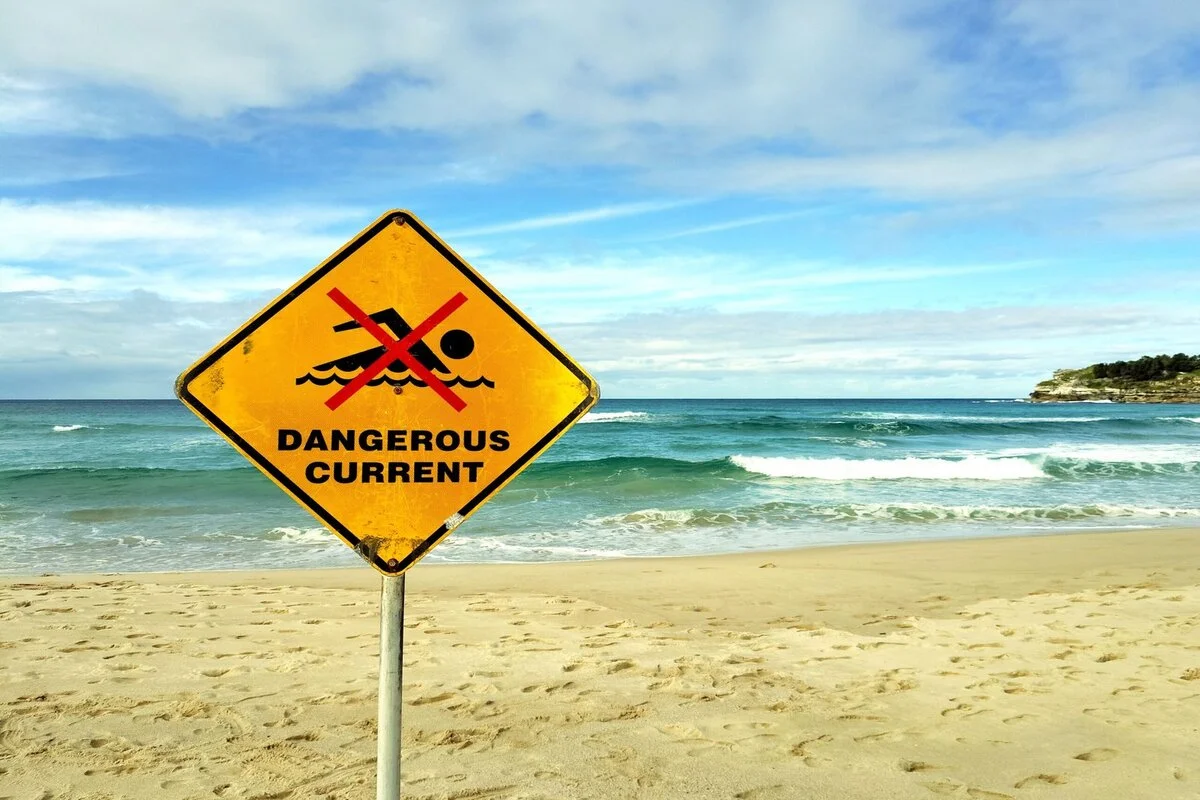
Rip Current Safety: How to Spot and Escape Dangerous Currents
Table of Contents
Rip Current Safety: How to Spot and Escape Dangerous Currents
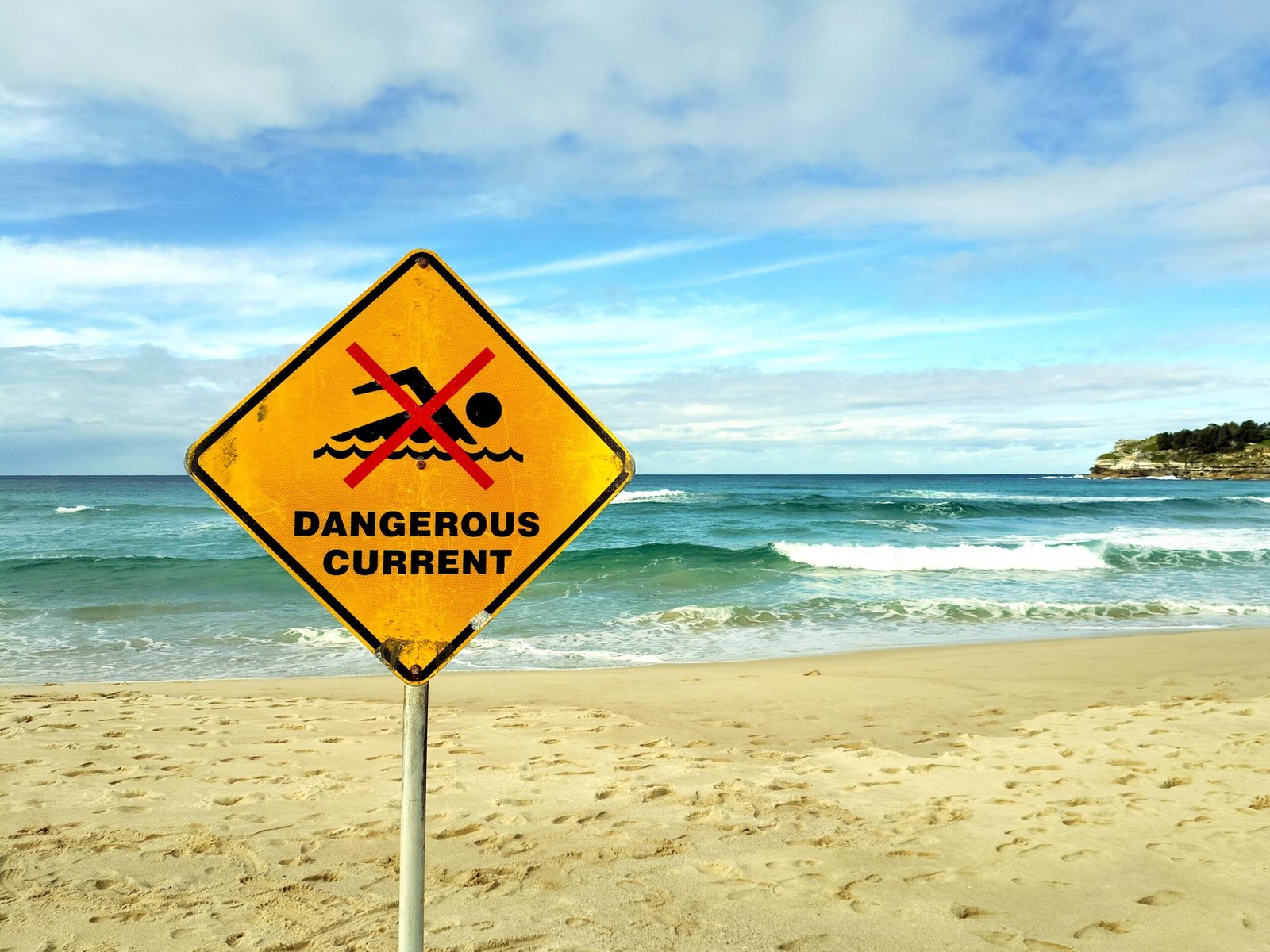
Have you ever waded into the ocean, felt the sand suddenly disappear beneath your feet, and been pulled further out than you meant to go? That unsettling pull is often a rip current, and understanding rip current safety could be the single most important thing you learn before your next beach day.
Rip currents are the leading cause of beach rescues in the United States, and they do not care whether you are a strong swimmer, a first-time surfer, or a parent watching kids play in the shallows. The good news? Rip current safety is not complicated once you understand what to look for and how to react.
This guide covers everything you need for real rip current safety: how to spot a rip before you get in the water, exactly what to do if one grabs you, and how to help someone else without becoming a second victim.
Why Rip Current Safety Deserves Your Attention
Rip currents are not rare freak events. They form on beaches all over the world, every single day, whenever waves push water toward shore and that water needs a way to funnel back out.
According to the National Oceanic and Atmospheric Administration, rip currents cause the vast majority of beach rescues performed by lifeguards each year, and they are responsible for dozens of drowning deaths annually. Rip current safety is not optional knowledge for surfers and swimmers, it is essential.
What Exactly Is a Rip Current?
A rip current is a narrow, fast-moving channel of water that flows away from the beach, cutting through the line of breaking waves. It forms where incoming waves push water toward shore, and that water finds the quickest path back out, often through a gap in a sandbar or near a structure like a pier.
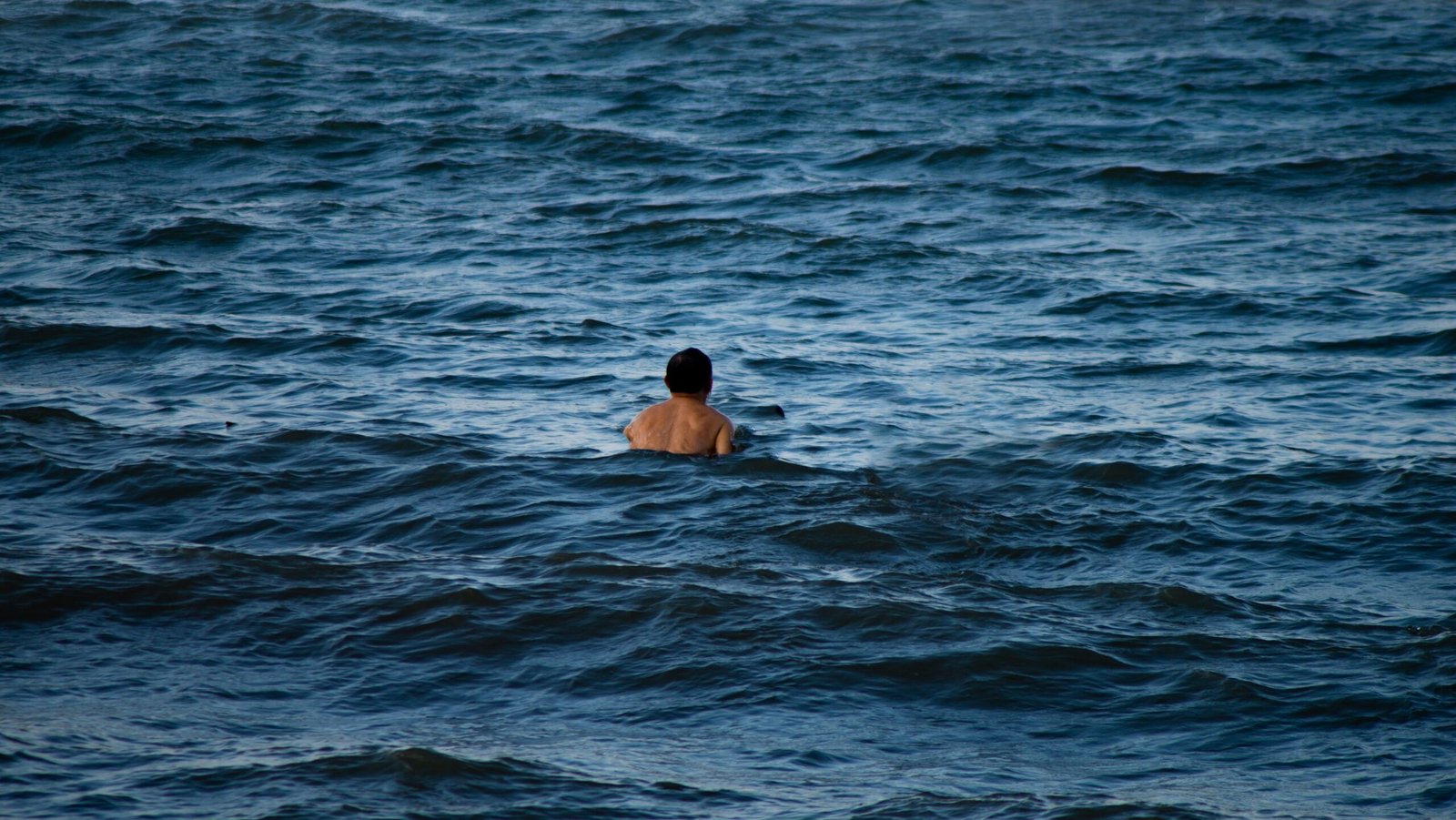
Contrary to popular belief, a rip current will not pull you underwater. It pulls you outward, away from the beach, which is exactly why panic is the real danger. Rip current safety starts with understanding this one fact.
How to Spot a Rip Current Before You Paddle Out
Spotting a rip current takes practice, but a few visual clues make rip current safety much easier once you know what to look for:
- A channel of choppy, churning water that looks different from the surrounding waves
- A visible gap where waves are not breaking as consistently as the water on either side
- A line of foam, seaweed, or debris moving steadily out to sea
- Water that looks noticeably darker, suggesting a deeper channel
The best vantage point is an elevated one. Before entering the water, spend a few minutes scanning from a dune, boardwalk, or beach access point. This habit alone makes rip current safety second nature over time.
Rip Current Safety: What to Do If You Are Caught
Even experienced ocean-goers get caught in a rip current occasionally. Real rip current safety comes down to how you respond in that first moment of panic.
- Stay calm. A rip current will not pull you under, only away from shore. Panic burns energy you will need later.
- Do not swim against the current. Fighting a rip current head-on is exhausting and rarely works, even for strong swimmers.
- Swim parallel to the shore. Rip currents are usually narrow. Swimming sideways gets you out of the channel.
- Angle back to shore once free. After escaping the pull, follow the breaking waves back in at an angle.
- Float and signal for help if needed. If you cannot escape, conserve energy, float on your back, and wave for a lifeguard.
Practicing this sequence mentally before you ever need it is one of the most effective rip current safety habits you can build.
Common Rip Current Safety Myths
Misinformation puts people at risk. Here are a few myths that work against real rip current safety:
- Myth: Rip currents pull you underwater. Fact: they pull you outward, not down.
- Myth: Only weak swimmers get caught. Fact: strong swimmers drown in rip currents too, often because they exhaust themselves fighting it.
- Myth: Calm-looking water is always safe. Fact: flat, glassy channels between breaking waves are a classic rip current warning sign.
Rip Current Safety for Surfers vs. Swimmers
Surfers actually use rip currents to their advantage, riding the outward pull as a free ride past the breaking waves to the lineup. That is a normal, safe practice for someone with a board and ocean experience.
Swimmers without a board face a very different situation, since there is nothing to float on if fatigue sets in. If you are newer to the water, our guide to surf lessons and coaching covers how instructors build ocean awareness and rip current safety into every early lesson, well before students catch their first wave.
How to Help Someone Else Caught in a Rip Current
Seeing someone struggle in the water triggers an instinct to jump in immediately. Resist it. A huge share of rip current drownings involve a would-be rescuer who also got caught.

- Alert a lifeguard immediately, or call emergency services if none is present
- Throw anything that floats, a boogie board, cooler lid, or life ring
- Shout instructions to swim parallel to shore rather than straight in
- Only enter the water yourself as an absolute last resort, and with flotation
Rip current safety is a team effort. Knowing how to help without becoming a second emergency saves more lives than heroics ever will.
Building Rip Current Safety Into Your Beach Routine
The simplest way to stay safe is to make rip current safety a habit, not an afterthought:
- Always check local surf and beach forecasts before heading out
- Choose lifeguard-protected beaches whenever possible
- Ask a lifeguard about conditions, they would rather answer a question than make a rescue
- Never swim or surf alone in unfamiliar water
Staying present and observant in the water is a skill in itself. Our article on ocean mindfulness explores how tuning into your surroundings, rather than zoning out, keeps you safer and more connected during every session.
FAQ: Rip Current Safety
Can a rip current pull you under the water?
No. A rip current pulls you away from shore, not underwater. Panic and exhaustion, not the current itself, cause most drownings.
How long does a rip current last?
Rip currents can be permanent features near piers and jetties, or temporary, shifting with sandbars, tides, and swell. That is why rip current safety checks matter every single time you visit a beach.
What is the safest way to escape a rip current?
Stay calm, swim parallel to the shore until you are out of the channel, then angle back in following the breaking waves. This is the core of rip current safety in a single sentence.
Stay Safe on Your Next Beach Day
Rip current safety is not about fearing the ocean, it is about respecting it. A few minutes of observation before you paddle out, and a clear head if you ever get caught, are often the only difference between a scary story and a tragedy.
Want to build real ocean confidence from day one? Book a coached surf lesson with our team and learn rip current safety, wave reading, and surf fundamentals together, guided by instructors who know these waters well.