
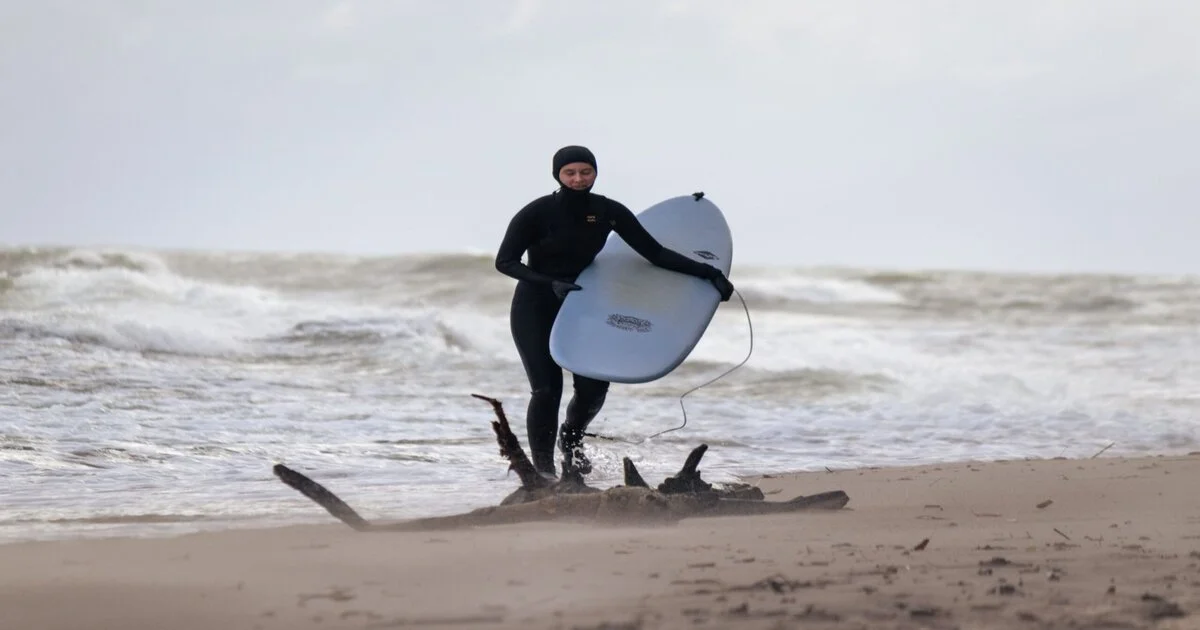
Cold Water Surfing: Amazing Ways to Build Confidence
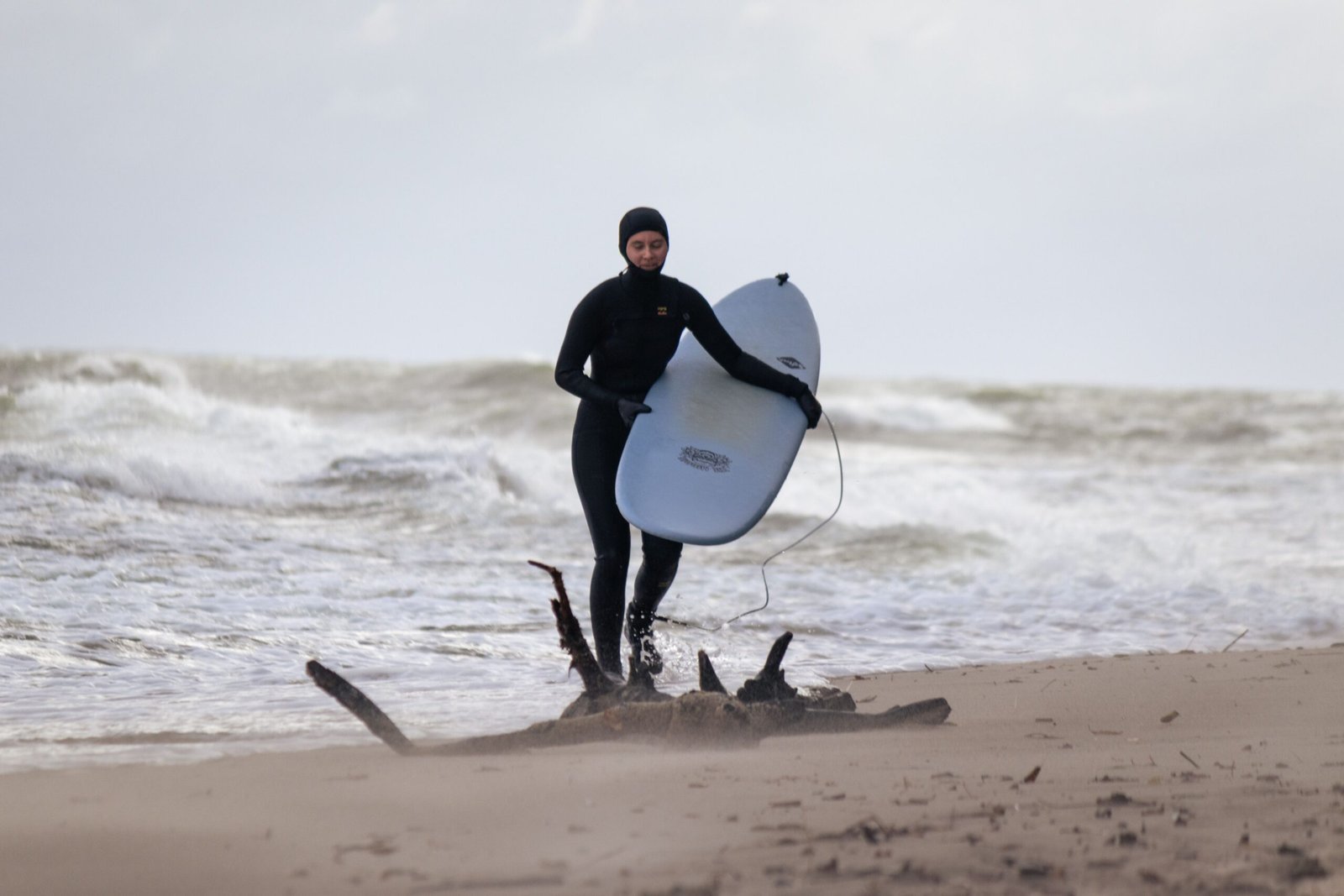
Table of Contents
The alarm goes off before sunrise. The air outside reads 40°F. And somewhere out past the shorebreak, a clean groundswell is stacking up with your name on it. Welcome to cold water surfing — the season when the crowds thin out, the lineups go quiet, and the waves often get better than anything you’ll find in summer.
But cold water surfing isn’t just “regular surfing with a thicker wetsuit.” Your body behaves differently, your gear has to work harder, and the margin for error shrinks fast. This guide breaks down everything you need to surf confidently and safely once the water temperature drops — the gear, the numbers, the mindset, and the safety knowledge that separates a great winter session from a dangerous one.
Why Cold Water Surfing Feels So Different
Water pulls heat from your body roughly 25 times faster than air at the same temperature. That single fact explains almost everything about cold water surfing: why your hands go numb first, why your pop-up feels sluggish after 40 minutes, and why even strong swimmers can struggle in water that “doesn’t feel that bad” at first splash.
When you paddle out into cold water, your body triggers a cold shock response — a sharp gasp, a spike in heart rate, and a temporary drop in coordination. Experienced cold water surfers know this passes within a few minutes. New surfers often panic, which is exactly why preparation matters more here than in any other condition.
Cold Water Surfing Gear: What You Actually Need
Get the gear right and cold water surfing stops being an ordeal and starts being one of the best parts of the surf calendar. Here’s the core kit, ranked by priority.
1. The Right Wetsuit Thickness
Wetsuit thickness is measured in millimeters, written as two numbers (torso/legs), like 4/3mm. As a general guide for cold water surfing:
- 65–75°F: 2/2mm springsuit or 3/2mm full suit
- 58–65°F: 3/2mm or 4/3mm full suit
- 50–58°F: 4/3mm or 5/4mm, plus boots
- 44–50°F: 5/4mm or 6/5mm, boots, gloves, hood
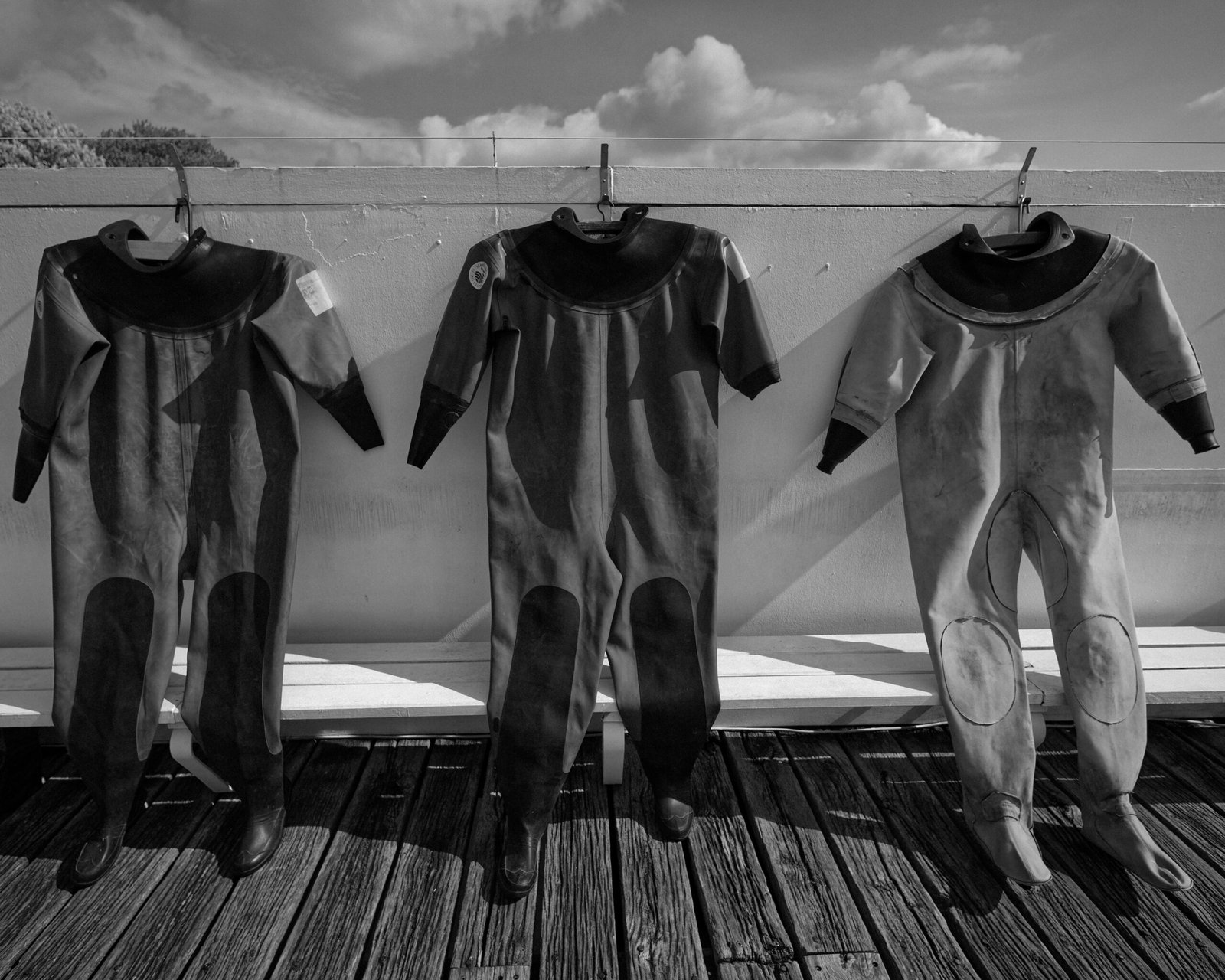
- Below 44°F: 6/5mm or a semi-dry/dry suit, full coverage
These ranges aren’t exact science — wind chill, session length, and your own tolerance all shift the numbers. When in doubt, size up. A slightly-too-warm wetsuit beats a shivering paddle back to the beach.
2. Boots, Gloves, and a Hood
Extremities lose heat fastest, so this is where most beginners under-prepare. Once water temperatures drop below 55°F, 3mm boots and gloves stop being optional. Below 50°F, add a hood — you lose a disproportionate amount of body heat through your head, and a hood also protects your ears from surfer’s ear, a real long-term risk for anyone who surfs cold water regularly.
If you’re still building your kit, our beginner’s guide to choosing your first surfboard is a good companion piece — board choice matters just as much in winter conditions as wetsuit thickness does.
3. Wax and Traction for Cold Conditions
Cold-water wax is harder than warm-water wax and won’t turn to mush in low temperatures. Using summer wax in a winter session is a classic mistake that leaves you slipping off the board exactly when you need grip most.
Building a Cold Water Surfing Mindset
Gear solves the physical side. The mental side is just as important, and it’s the part most guides skip.
Ask any dedicated cold water surfer why they keep paddling out in winter, and you’ll hear some version of the same answer: the discomfort is temporary, but the payoff — uncrowded lineups, clean offshore mornings, and a strange, steady sense of calm — sticks with you long after the session ends. That trade-off is worth naming honestly, because the first ten minutes in genuinely cold water are never pleasant.
A few mental strategies that help:
- Control your breathing before you paddle out. Slow, deliberate breaths blunt the cold shock response.
- Give yourself permission to go in early. There’s no trophy for outlasting your own comfort in cold water.
- Set a session goal, not a time goal. “Catch five waves” beats “stay out for an hour” when your fingers are numb.
If you already practice breathwork or yoga, you have an advantage here. The same nervous-system regulation that helps on the mat helps in a 48°F lineup — one more reason surfing and yoga pair so naturally.
Safety: What Every Cold Water Surfer Should Know
This is the section not to skim. Cold water surfing carries real risks that warm-water sessions don’t, and respecting them is what keeps this sport sustainable long-term.
- Hypothermia builds quietly. Shivering, fumbling hands, and slurred thinking are early warning signs — not something to push through.
- Never surf alone in cold water. A buddy who notices you’re struggling can be the difference between a rough session and an emergency.
- Know your exit points. Cold water saps strength faster than you expect; know exactly where you’ll paddle in if conditions turn.
- Watch for rip currents. Winter swells often bring stronger currents alongside colder water — a combination worth taking seriously. Our guide to rip current safety covers how to spot and escape them.
For a deeper, science-backed look at how the body responds to cold immersion, the National Weather Service’s cold water safety resource is worth bookmarking before your next winter session.
Before and After: A Simple Cold Water Surfing Routine
Before you paddle out:
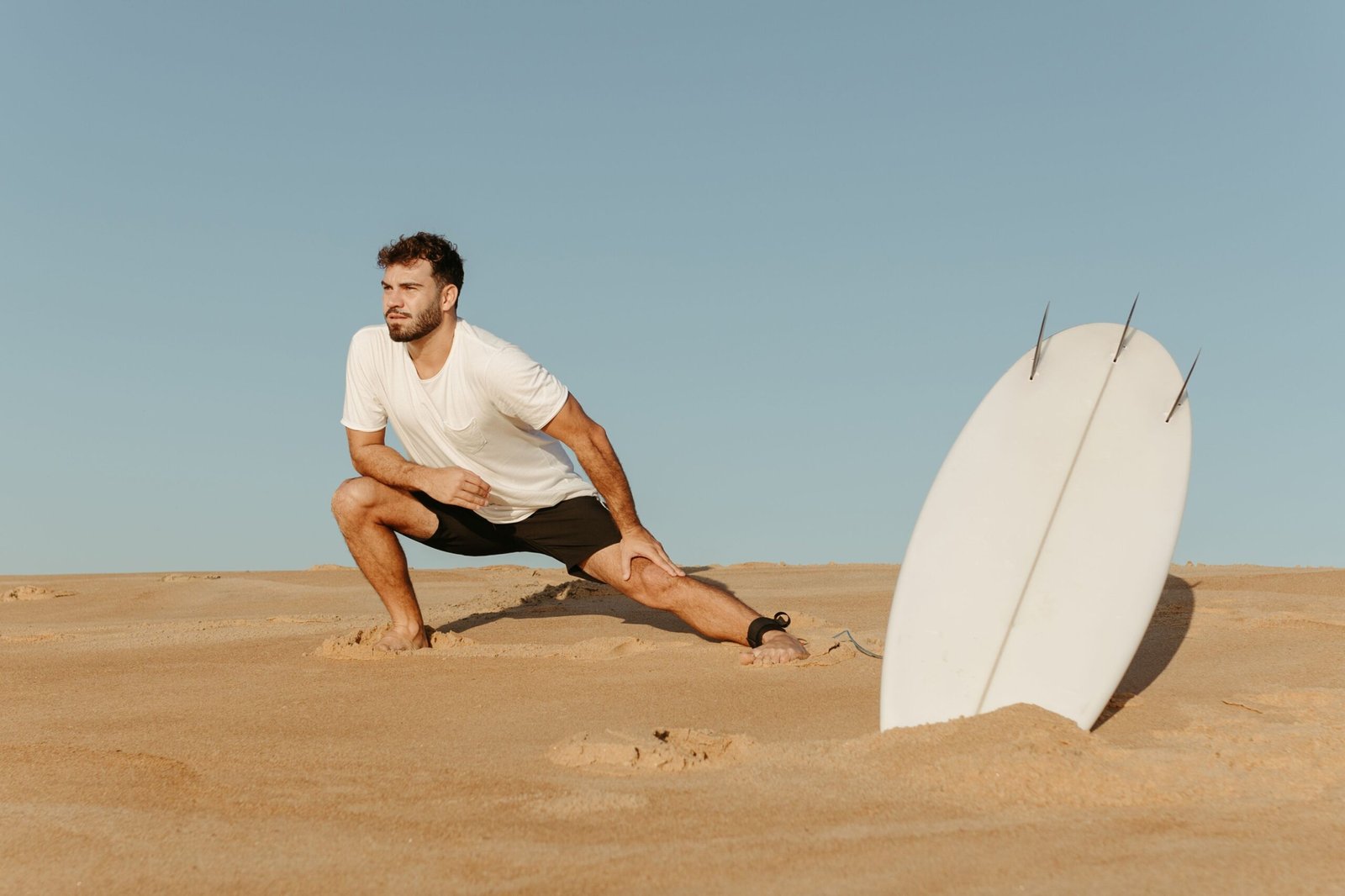
- Warm up with dynamic stretches — cold muscles are injury-prone muscles.
- Change in a sheltered spot, out of the wind, to avoid losing body heat before you even hit the water.
- Eat something with slow-burning energy an hour before your session.
After your session:
- Get out of your wet wetsuit immediately — wind on wet neoprene chills you faster than the water did.
- Warm up gradually with dry layers and a hot drink, not a hot shower straight away (rapid rewarming can cause blood pressure drops).
- A short, gentle yoga flow afterward helps loosen the shoulders and hips that took the brunt of the paddling.
Building strength and mobility off the water also pays off once the temperature drops — our surf fitness and conditioning plan is designed to keep you paddling strong through the coldest months.
Where Cold Water Surfing Shines
Some of the world’s most respected waves only get truly good once the water turns cold. Northern California, the Pacific Northwest, New England, parts of the UK and Ireland, and much of Scandinavia all built their surf cultures around cold water surfing rather than in spite of it. The common thread: powerful winter groundswells, offshore winds that hold their shape in cold air, and lineups that stay manageable because most people simply won’t get in the water.
That last point is worth sitting with. If you’ve ever paddled out to a packed summer lineup and wondered where all the empty peaks went, the answer is usually simple — they moved to winter. Learning to surf cold water well doesn’t just add a new skill; it effectively doubles your surf season and opens up breaks you’d otherwise write off as “too cold to bother with.”
Is Cold Water Surfing Worth It?
Ask around any winter lineup and you’ll rarely hear regret. Cold water surfing rewards the surfers willing to prepare properly — better waves, fewer crowds, and a kind of quiet satisfaction that summer sessions don’t always deliver. The gear costs more upfront, and the first splash is never fun, but for a huge number of surfers, this is when the sport feels most alive.
Frequently Asked Questions
What water temperature is considered “cold water surfing”?
Most surfers consider anything below 60°F to be cold water surfing territory, with serious cold water conditions starting around 50°F and below, where boots, gloves, and often a hood become necessary.
How long can you safely surf in cold water?
It depends on your wetsuit thickness, fitness, and body composition, but most surfers should plan for 45–90 minute sessions in genuinely cold water and get out at the first signs of shivering or reduced dexterity.
Do I need a different surfboard for cold water surfing?
Not necessarily — your usual board works fine. Some cold-water surfers size up slightly for extra paddle power, since a thick wetsuit adds bulk and reduces mobility.
Can beginners try cold water surfing?
Yes, with the right gear and a surf buddy. Start with shorter sessions, invest in a properly fitted wetsuit, and never surf cold water alone until you’re confident reading the conditions.
Ready for Your Next Winter Session?
Cold water surfing isn’t about toughing it out — it’s about preparing well enough that the cold becomes background noise instead of the main event. Dial in your wetsuit thickness, respect the safety basics, and bring a calm mind to the lineup. Got a cold water surf trip coming up, or questions about gear for your local break? Drop a comment below — we’d love to hear where you’re paddling out this winter.