
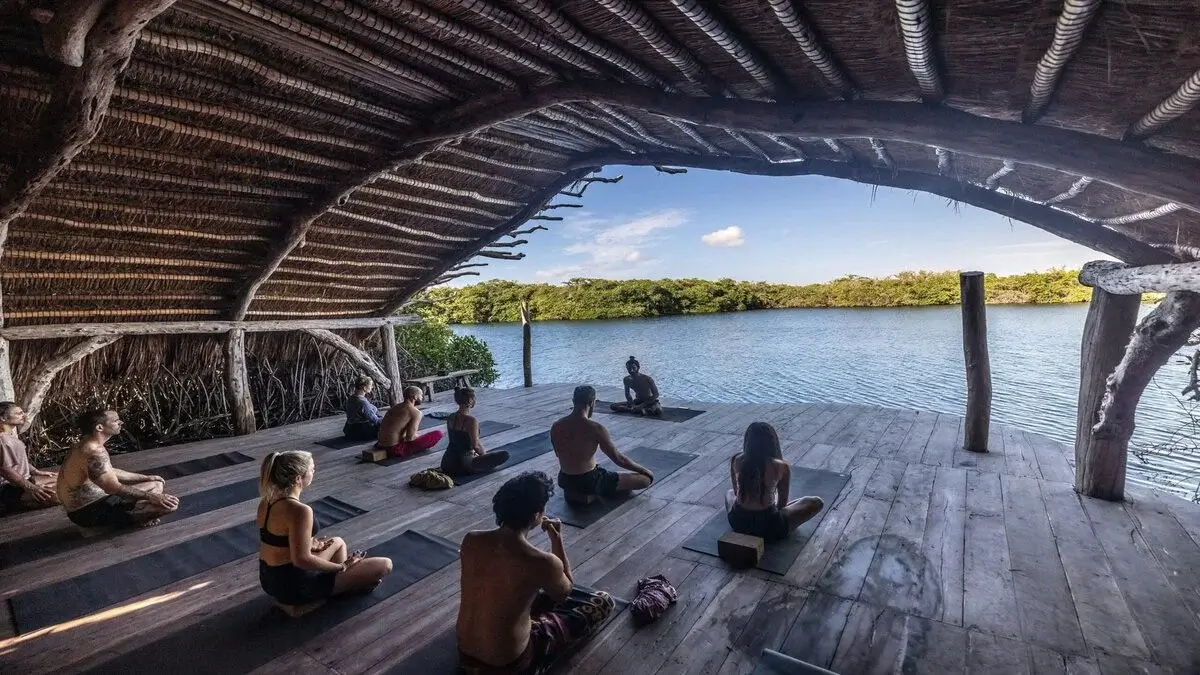
Wellness Retreats: The Proven Way to Recharge
Table of Contents
Wellness Retreats: The Proven Way to Recharge
When was the last time you went three full days without checking your phone before breakfast? If you’re struggling to remember, you’re exactly the person wellness retreats were designed for.
You don’t need to be burned out to benefit from stepping away. You just need to be human, living in a world that rarely gives you permission to pause. A well-chosen retreat gives you that permission — structured, intentional, and surrounded by people who are there for the same reason you are.
This guide breaks down what wellness retreats actually involve, who they’re for, and exactly how to choose one that fits your life instead of someone else’s Instagram feed.
What Wellness Retreats Really Are (Beyond the Marketing)
Strip away the candles and the smoothie bowls, and wellness retreats come down to one simple idea: removing your daily distractions long enough for your body and mind to actually recover.
Most retreats combine a few core elements:
- Movement — usually yoga, sometimes surf, hiking, or swimming
- Rest — unstructured time that isn’t filled with obligations
- Nourishment — meals designed to support energy rather than just fill time
- Community — shared experiences with people who aren’t checking their email either
- Guidance — instructors or facilitators who hold space so you don’t have to plan everything yourself
None of these require a five-star resort. Some of the most effective wellness retreats happen in modest coastal towns with little more than a yoga shala, good food, and ocean access.

Who Actually Benefits From a Wellness Retreat?
You might assume retreats are for people who already have their lives together — the ones who meditate daily and never miss leg day. The opposite is usually true.
Wellness retreats tend to help most:
- People in high-stress jobs who haven’t taken a real break in over a year
- Beginners who tried yoga for beginners classes at home and want to go deeper in a supportive setting
- Anyone recovering from burnout, grief, or a major life transition
- Travelers who want structured relaxation instead of another chaotic vacation itinerary
- People craving connection after a stretch of isolation or screen-heavy routine
If any of those sound like you, a retreat isn’t indulgent — it’s maintenance.
Types of Wellness Retreats to Consider
Not every retreat looks the same, and knowing the categories helps you choose the right fit.
1. Yoga-Focused Retreats
Built around daily practice, often two sessions a day, with workshops on breathwork, alignment, or philosophy woven in.
2. Surf and Yoga Retreats
A rising favorite for people who want movement that feels playful rather than purely meditative. Mornings on the water, afternoons on the mat — the combination builds strength, balance, and a genuine sense of adventure.
3. Silent or Meditation Retreats
Minimal talking, extended stillness, and a focus on inner awareness. These suit people who already have some mindfulness experience and want to go further inward.
4. Adventure Wellness Retreats
Hiking, kayaking, or climbing paired with recovery practices like stretching, sauna, or cold plunge. Built for people who recharge through movement, not stillness.
5. Spa and Rest Retreats
Minimal scheduled activity, maximum recovery — think massage, sleep, and nourishing food with very little required of you.
How to Choose the Right Wellness Retreat for You
With so many options, the decision often comes down to a handful of practical questions.
- What does your body actually need right now — rest or movement? Be honest. If you’re exhausted, a packed activity schedule will backfire.
- What’s your experience level? A retreat built for advanced practitioners can feel intimidating if you’re still working through yoga for beginners basics. Look for retreats that explicitly welcome all levels.
- How long can you realistically commit? A weekend retreat offers a reset; a full week allows for deeper habit change.
- Do you want structure or flexibility? Some retreats schedule every hour; others leave long stretches open for you to rest or explore.
- What’s included? Confirm whether meals, accommodation, and equipment (like surfboards or yoga mats) are covered in the price, so there are no surprises on arrival.
What a Typical Day at a Wellness Retreat Looks Like
- Early morning — gentle movement or meditation as the sun rises
- Breakfast — nourishing, unhurried, often shared with the group
- Mid-morning — main activity block: yoga, surf lesson, or guided hike
- Free time — rest, journaling, swimming, or simply doing nothing
- Afternoon workshop — breathwork, nutrition talk, or a skills-based session
- Evening practice — a slower, restorative yoga session or group reflection
- Dinner and downtime — connection without a screen in sight
Notice what’s missing from that list: notifications, meetings, and the mental noise of your regular routine.

Preparing for Your First Wellness Retreat
- Set an intention, not a checklist. “I want to feel rested” works better than “I want to master handstands.”
- Pack light, comfortable layers. Mornings and evenings can be cooler than midday, especially near the coast.
- Tell your workplace and family you’ll be unreachable. Half the benefit of a retreat disappears if you’re still answering emails.
- Come with realistic expectations. You may not feel transformed by day two — and that’s normal. Integration often happens after you return home.
- If you’re new to yoga, don’t panic. Most instructors design sessions to welcome yoga for beginners alongside more experienced participants.
The Ripple Effect: Life After the Retreat
The real test of any wellness retreat isn’t how you feel on the last day — it’s how you feel a month later. The retreats that create lasting change usually leave you with something to carry home:
- A simplified morning routine you can actually maintain
- A breathing technique you return to when stress spikes
- A community or accountability partner from the retreat itself
- A clearer sense of which daily habits were draining you all along
If your retreat included yoga, keep a light home practice going afterward — even ten minutes borrowed from your beginner yoga guide can help you hold onto the calm you found while away.
For broader research on how structured breaks affect stress and recovery, the Mayo Clinic publishes accessible, evidence-based resources worth reading before you book.
Frequently Asked Questions
Are wellness retreats worth the cost?
For many people, yes — especially when compared to the cost of unmanaged burnout. Prices vary widely, so it’s worth matching your budget to a retreat’s inclusions rather than its marketing.
Do I need yoga experience to join wellness retreats?
No. Most wellness retreats, especially those built around yoga and surf, welcome complete beginners and offer modifications throughout.
How long should a first wellness retreat be?
A long weekend (3–4 days) is enough to feel the benefits without requiring a major time commitment, making it a solid choice for your first experience.
What should I pack for a wellness retreat?
Comfortable, breathable clothing, a reusable water bottle, layers for temperature changes, and minimal electronics. Many retreats provide mats and equipment.
Can wellness retreats help with anxiety or burnout?
Many participants report reduced stress and improved sleep afterward, largely due to the combination of movement, rest, nature exposure, and time away from daily obligations. They’re a complement to, not a replacement for, professional mental health care when needed.
Your Next Step Toward a Real Reset
You don’t need a perfect excuse to book a wellness retreat — just a recognition that you’ve been running on empty for too long. Start small if you need to: a weekend surf and yoga retreat can be enough to remind you what rest actually feels like.
Ready to take the first step? Browse our upcoming surf and yoga retreat dates and reserve your spot before the season fills up.